ShadeTreeMechanic Posted May 12, 2016 Report Posted May 12, 2016 Maybe we are getting ready to see what these batteries are made of. The rate and level of discharge that a battery can tolerate is the same no matter how it is hooked up. For a deep discharge application i would research what the electric car guys are doing. Immagine this thing on lithium batteries! 91 C350 Centurion conversion ( Four Door One Ton Bronco) 250A Alternator (Second Alternator Coming Soon) G65 AGM Up Front / Two G31 AGM in Back Pioneer 80PRS CT Sounds AT125.2 / CT Sounds 6.5 Strato Pro component Front Stage CT Sounds AT125.2 / Lanzar Pro 8" coax w/compression horn tweeter Rear Fill FSD 5000D 1/2 ohm (SoundQubed 7k Coming Soon) Two HDS315 Four Qubes Each 34hz (Two HDC3.118 and New Box Coming Soon)
ChevyBoy95 Posted May 12, 2016 Report Posted May 12, 2016 Maybe we are getting ready to see what these batteries are made of. The rate and level of discharge that a battery can tolerate is the same no matter how it is hooked up. For a deep discharge application i would research what the electric car guys are doing. Immagine this thing on lithium batteries! Which is why Im curious to how 230v all the sudden becomes more "playable." Best Score to Date : 160.5 dB Outlaw (47Hz)[4 XM 15's & 2 Taramps Bass 12k's] BL : http://www.stevemeadedesigns.com/board/topic/147800-chevyboy95s-4-15s-7krms-wall-1533-db-on-half-power/YouTube: http://www.youtube.com/hitemwiththeflex/
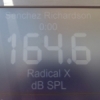
sencheezy Posted May 12, 2016 Author Report Posted May 12, 2016 Im always a fan of the guys that tread into the unknown (as far as our US community) in the car audio world, but I have a few questions about the play-ability aspect. With 18 batteries in series, you achieve about 230v full charge (12.8v per battery) with the capacity of a single D3400. When you put a ~90a load on 230v system, it would be roughly ~21kw before efficiency loss in the amplifier. If you wired those same batteries in parallel, as in a 12v system, 12.8v times (90a*18batts) = ~21kw. Basically both instances, 12v system or 230v system are creating the same power, just with one being high voltage and the other being high amperage. In theory, besides a efficiency gain of a 12v amp to whatever the HV amps are is all you are gaining in power, but what power is being generated by the electrical system is the same. This leads into my real question, since you are basically pulling the same wattage from the same bank, how does a 230v system differ in "play-ability" over time vs. a 12v system when the theoretical wattage output is the same? (What causes it to be able to play for a few days on no charge at that level vs. a 12v system) The EASIEST way to explain, is this here. Think about you going to a concert, on a medium to large scale. Have you ever wondered how they can play their subwoofers and everything else for 3-5 hours a time? See, I don't know the math/science behind it, but the subwoofers play MUCH cooler, MUCH cleaner, more pronounced, and a more detail sound to them. These are things I can only describe, you really have to hear it to believe it. If you get a demo of my vehicle, and then go back to a monster 12v demo vehicle, you'll immediately notice the difference. On 12v, the bass has a "muddy" sound to it, like you can hear the heat on every note type of thing. But on the HV, it's really just crystal clear bass. So yes, the power remains the same, but you gain about 7 other positive attributes. 165db with 237 DC Volts 6 15" SSA Evils 3 HV Taramps T60k @.33 18 XS Power D3400s Add me on SC, FB, IG, and YT @ Sencheezy
sencheezy Posted May 12, 2016 Author Report Posted May 12, 2016 Maybe we are getting ready to see what these batteries are made of. The rate and level of discharge that a battery can tolerate is the same no matter how it is hooked up. For a deep discharge application i would research what the electric car guys are doing. Immagine this thing on lithium batteries! Yeah, I would die for lithium HV, but that's a 8-13 grand project. 165db with 237 DC Volts 6 15" SSA Evils 3 HV Taramps T60k @.33 18 XS Power D3400s Add me on SC, FB, IG, and YT @ Sencheezy
ChevyBoy95 Posted May 12, 2016 Report Posted May 12, 2016 Im always a fan of the guys that tread into the unknown (as far as our US community) in the car audio world, but I have a few questions about the play-ability aspect. With 18 batteries in series, you achieve about 230v full charge (12.8v per battery) with the capacity of a single D3400. When you put a ~90a load on 230v system, it would be roughly ~21kw before efficiency loss in the amplifier. If you wired those same batteries in parallel, as in a 12v system, 12.8v times (90a*18batts) = ~21kw. Basically both instances, 12v system or 230v system are creating the same power, just with one being high voltage and the other being high amperage. In theory, besides a efficiency gain of a 12v amp to whatever the HV amps are is all you are gaining in power, but what power is being generated by the electrical system is the same. This leads into my real question, since you are basically pulling the same wattage from the same bank, how does a 230v system differ in "play-ability" over time vs. a 12v system when the theoretical wattage output is the same? (What causes it to be able to play for a few days on no charge at that level vs. a 12v system) The EASIEST way to explain, is this here. Think about you going to a concert, on a medium to large scale. Have you ever wondered how they can play their subwoofers and everything else for 3-5 hours a time? See, I don't know the math/science behind it, but the subwoofers play MUCH cooler, MUCH cleaner, more pronounced, and a more detail sound to them. These are things I can only describe, you really have to hear it to believe it. If you get a demo of my vehicle, and then go back to a monster 12v demo vehicle, you'll immediately notice the difference. On 12v, the bass has a "muddy" sound to it, like you can hear the heat on every note type of thing. But on the HV, it's really just crystal clear bass. So yes, the power remains the same, but you gain about 7 other positive attributes. So in reality, the main aspect I was wondering about being actual longevity without charging is the same, just the equipment runs cooler due to how it is being operated. Best Score to Date : 160.5 dB Outlaw (47Hz)[4 XM 15's & 2 Taramps Bass 12k's] BL : http://www.stevemeadedesigns.com/board/topic/147800-chevyboy95s-4-15s-7krms-wall-1533-db-on-half-power/YouTube: http://www.youtube.com/hitemwiththeflex/
sencheezy Posted May 12, 2016 Author Report Posted May 12, 2016 Maybe we are getting ready to see what these batteries are made of. The rate and level of discharge that a battery can tolerate is the same no matter how it is hooked up. For a deep discharge application i would research what the electric car guys are doing. Immagine this thing on lithium batteries! Which is why Im curious to how 230v all the sudden becomes more "playable." Yeah, I don't know how to explain it, it's wild, and messes with your traditional train of thought. On paper, nothing should really change. But in real life, I would never be able to walk 50ft away from my truck, full tilt, for 5 minutes, without something going wrong. There is no heat from the engine, it's off. There is no heat from the sub, they stayed cool, there is no heat from the amp, they stay room temperature, ETC ETC. Here's a fun fact. These batteries were installed March 18th. It is now May 12th, and they have not touch a charger yet. Now, the system has been playing for 6 days, and still haven't placed on the charger. I'm resting at 218v right now, so the math says, 218/18 = 12.11v each battery. So they do need a charge now to remain longevity. But to think of how many demos I gave, and still have room to go, it's downright insanity. 165db with 237 DC Volts 6 15" SSA Evils 3 HV Taramps T60k @.33 18 XS Power D3400s Add me on SC, FB, IG, and YT @ Sencheezy
sencheezy Posted May 12, 2016 Author Report Posted May 12, 2016 Im always a fan of the guys that tread into the unknown (as far as our US community) in the car audio world, but I have a few questions about the play-ability aspect. With 18 batteries in series, you achieve about 230v full charge (12.8v per battery) with the capacity of a single D3400. When you put a ~90a load on 230v system, it would be roughly ~21kw before efficiency loss in the amplifier. If you wired those same batteries in parallel, as in a 12v system, 12.8v times (90a*18batts) = ~21kw. Basically both instances, 12v system or 230v system are creating the same power, just with one being high voltage and the other being high amperage. In theory, besides a efficiency gain of a 12v amp to whatever the HV amps are is all you are gaining in power, but what power is being generated by the electrical system is the same. This leads into my real question, since you are basically pulling the same wattage from the same bank, how does a 230v system differ in "play-ability" over time vs. a 12v system when the theoretical wattage output is the same? (What causes it to be able to play for a few days on no charge at that level vs. a 12v system) The EASIEST way to explain, is this here. Think about you going to a concert, on a medium to large scale. Have you ever wondered how they can play their subwoofers and everything else for 3-5 hours a time? See, I don't know the math/science behind it, but the subwoofers play MUCH cooler, MUCH cleaner, more pronounced, and a more detail sound to them. These are things I can only describe, you really have to hear it to believe it. If you get a demo of my vehicle, and then go back to a monster 12v demo vehicle, you'll immediately notice the difference. On 12v, the bass has a "muddy" sound to it, like you can hear the heat on every note type of thing. But on the HV, it's really just crystal clear bass. So yes, the power remains the same, but you gain about 7 other positive attributes. So in reality, the main aspect I was wondering about being actual longevity without charging is the same, just the equipment runs cooler due to how it is being operated. Read my post right below your response regarding longevity. 165db with 237 DC Volts 6 15" SSA Evils 3 HV Taramps T60k @.33 18 XS Power D3400s Add me on SC, FB, IG, and YT @ Sencheezy
ShadeTreeMechanic Posted May 12, 2016 Report Posted May 12, 2016 Think of it this way. Voltage is the "pressure" and current is the "flow". The more pressure you have the less flow you need. The flow is what drains the battery. The voltage is the pressure but just sits there until there is a flow. Volts x amps = watts. If you had a 20 thousand watt load and you had 20 thousand volts @ 1 amp it would be the same amount of power as 1v @ 20 thousand amps. Which one has more electrons actually flowing? The high current system moves tons of electrons and the high voltage system doesn't. The amount of electrons actually moving is the difference. Its the same thing the power company does with the power grid. The future of car audio is here! 91 C350 Centurion conversion ( Four Door One Ton Bronco) 250A Alternator (Second Alternator Coming Soon) G65 AGM Up Front / Two G31 AGM in Back Pioneer 80PRS CT Sounds AT125.2 / CT Sounds 6.5 Strato Pro component Front Stage CT Sounds AT125.2 / Lanzar Pro 8" coax w/compression horn tweeter Rear Fill FSD 5000D 1/2 ohm (SoundQubed 7k Coming Soon) Two HDS315 Four Qubes Each 34hz (Two HDC3.118 and New Box Coming Soon)
ChevyBoy95 Posted May 12, 2016 Report Posted May 12, 2016 Think of it this way. Voltage is the "pressure" and current is the "flow". The more pressure you have the less flow you need. The flow is what drains the battery. The voltage is the pressure but just sits there until there is a flow. Volts x amps = watts. If you had a 20 thousand watt load and you had 20 thousand volts @ 1 amp it would be the same amount of power as 1v @ 20 thousand amps. Which one has more electrons actually flowing? The high current system moves tons of electrons and the high voltage system doesn't. The amount of electrons actually moving is the difference. Its the same thing the power company does with the power grid. The future of car audio is here! I completely understand that, How does this difference e- flow actually contribute to? Higher efficiency (and im not talking about the amp, im talking in general)? Less Heat? More work done per amp (less effort to create power?)? What? Best Score to Date : 160.5 dB Outlaw (47Hz)[4 XM 15's & 2 Taramps Bass 12k's] BL : http://www.stevemeadedesigns.com/board/topic/147800-chevyboy95s-4-15s-7krms-wall-1533-db-on-half-power/YouTube: http://www.youtube.com/hitemwiththeflex/
ShadeTreeMechanic Posted May 13, 2016 Report Posted May 13, 2016 Well if you have a ton of voltage sitting there it is just looking pretty and not doing anything until there is a current draw. This is where the magic is. High voltage does work with the force of the electron and not the amount of electrons. Having high voltage is half of the power equation and all it has to do is sit there and apply pressure. The other half of the power equation is amperage. The amperage is what causes the battery charge to be consumed. In a high voltage system there is more work being done per amp because the current is at a higher pressure. 91 C350 Centurion conversion ( Four Door One Ton Bronco) 250A Alternator (Second Alternator Coming Soon) G65 AGM Up Front / Two G31 AGM in Back Pioneer 80PRS CT Sounds AT125.2 / CT Sounds 6.5 Strato Pro component Front Stage CT Sounds AT125.2 / Lanzar Pro 8" coax w/compression horn tweeter Rear Fill FSD 5000D 1/2 ohm (SoundQubed 7k Coming Soon) Two HDS315 Four Qubes Each 34hz (Two HDC3.118 and New Box Coming Soon)















Recommended Posts
Archived
This topic is now archived and is closed to further replies.